
Best ATM Location in Washington, DC: 4 Questions to Decide Fast
- December 24, 2025
- admin
- 2:10 pm
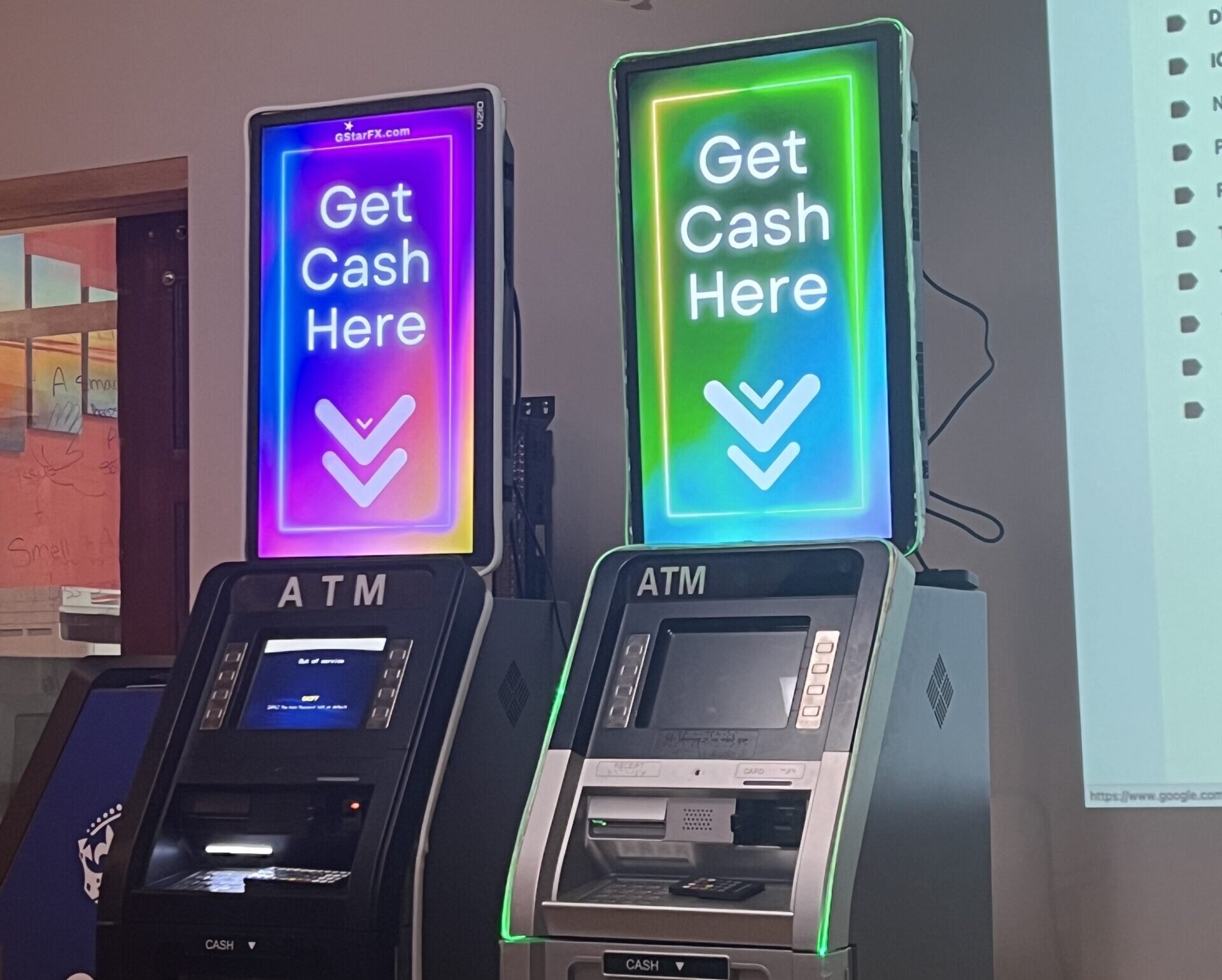
In Washington, DC, an ATM can do more than offer cash—it can increase foot traffic, improve customer convenience, and generate steady surcharge revenue. But results depend heavily on placement. Put the same machine in two different DC neighborhoods and the performance can look completely different.
If you want a practical way to choose an ATM spot that makes sense for the District—whether you’re operating a convenience store, restaurant, bar, salon, retail shop, or event-driven venue—use these four questions. They are designed to help you pick a location that customers actually use, not one that simply “looks like it should work.”
Who exactly will use the ATM here, and why?
The best ATM locations match real customer behavior. Start by defining the primary ATM user at that spot:
- Are they commuters who need quick access before work or after transit?
- Are they tourists who want cash for tips, small purchases, or quick payments?
- Are they nightlife customers who need cash for cover charges and tipping?
Are they service customers who pay cash or tip frequently (salons, barbers, personal care)?
In DC, your user profile can change by time of day. A corridor that’s quiet at noon can become busy in the evening. Your goal is to pick a location where cash demand is consistent—not occasional.
Quick DC check:
Ask your staff: “How often do customers ask where the nearest ATM is?” If it’s weekly or daily, your location already has proven demand.
Is the location naturally visible and convenient—without bottlenecks?
Visibility drives usage. Convenience keeps people from walking away. Your ATM should be placed where customers can see it quickly and reach it easily.
Look for these placement signals:
- Line-of-sight from the entrance (customers notice it within seconds)
- Easy approach space (no squeezing past shelves, tables, or lines)
- Natural pause points (near a lobby, waiting area, or open interior walkway)
- Not hidden behind signage or displays (hidden ATMs get ignored)
In many DC storefronts, the best performing spot is near the front—visible, well-lit, and accessible—while still allowing privacy for the user.
Avoid this common mistake:
Placing the ATM near a congested checkout area can reduce transactions because customers feel like they’re in the way. Convenience must include physical comfort.
Is it safe, compliant, and easy to service?
Washington, DC customers care about security and trust. If the ATM location feels risky or poorly lit, usage drops—even if foot traffic is high.
Evaluate these elements:
Safety and comfort
- Is the area well-lit during evening hours?
- Can users stand comfortably without being crowded?
- Is there a clear camera view (where applicable) to discourage tampering?
Accessibility and compliance
- Can customers access it without obstacles?
- Is there enough space for different users to approach and operate it comfortably?
- Is it placed at a height and position that supports accessibility needs?
Serviceability
- Can the machine be serviced without disrupting your operations?
- Is there safe, practical access for routine checks and maintenance?
- Is the machine protected from spills, weather exposure, or heavy bump traffic?
A strong DC ATM location balances visibility with a professional, secure feel—especially in nightlife zones and high-traffic retail corridors.
Will the numbers work long-term (and is the deal protected)?
A “good location” should perform financially and remain stable over time. Before you commit, confirm the business math and protect the placement arrangement.
Performance and revenue questions
- Do you have consistent traffic on most days, not just weekends?
- Are customers likely to withdraw cash more than once per visit cycle?
- Will the ATM placement encourage extra in-store spending (snacks, drinks, add-ons, tips)?
Placement agreement questions
- Do you have permission to place the machine where it will actually perform best?
- Is there a clear understanding of space usage, responsibilities, and access?
- Are there any restrictions that could force you to move it later?
Competition questions
- Is there already an ATM next door that customers prefer?
- Is your location more convenient than nearby options, or is demand already satisfied?
A smart DC strategy is to choose a location where you have control, visibility, and long-term stability—not a spot that works only “on paper.”

DC ATM Location Checklist (Use This Before You Install)
Use this simple checklist to decide quickly:
- Demand exists (customers ask for an ATM or use cash often)
- Visible from entrance or main flow path
- Easy access without blocking traffic
- Safe, well-lit area (especially evenings)
- Accessible placement (clear approach space)
- Service-friendly (maintenance and monitoring are practical)
- Placement agreement is clear and stable
- Competition nearby won’t eliminate usage
Choose the Spot That Makes Cash Easy
In Washington, DC, the best ATM placement is not just about foot traffic—it’s about the right people, the right visibility, and the right long-term setup. If you can answer these four questions with confidence, you will avoid weak placements and improve your chances of steady transactions and reliable ATM income.
If you want, share the business type (convenience store, bar, restaurant, salon, retail, hotel, event venue) and the neighborhood style (downtown/office corridor vs residential vs nightlife). I will tailor the “best placement zone” section and rewrite the checklist for that exact DC use case.